Know Yourself.
This page is not going to tell you what to do.
That’s not a disclaimer. It’s the entire point. Most of what gets aimed at you — about your body, your habits, what to eat, what to take, how to feel — arrives already certain. It knows the answer before it knows you. It says this is good, that is bad, do this, stop that, and it says it to a hundred million people at once, as if a hundred million people were the same person.
You are not that person. Neither is anyone.
Here is the thing nobody selling you anything wants to say plainly: the same thing that steadies one person rattles another. The same plant, the same food, the same hour of the day, the same conversation — it lands one way in you and the opposite way in the next body over. Not because one of you is doing it right and the other is doing it wrong. Because you are not the same instrument, and you are not even the same instrument you were last week.
So the question is never really is this good. Good for whom, in what state, on what day. The honest question is quieter and a lot more demanding: what does this do in me, and do I want what it does. That question can’t be answered by a label, a study summary, or somebody with a large audience and a confident voice. It can only be answered by you, paying attention. Which is why the work here is not learning the right answer. It’s learning to read yourself well enough to find your own.
That sounds soft. It isn’t. It’s the harder road, not the easier one. Figure it out yourself is more demanding than “follow the rules,” because the rules at least let you stop thinking. Knowing yourself doesn’t let you stop. It asks you to stay awake to what’s actually happening instead of what you were told would happen, or what you hoped would.
Most things aren’t good or bad. They carry a charge. The charge is real and it’s neutral until it meets you — and what it does when it meets you depends on what you bring to the contact and what state you’re in when it lands. The same energy that sharpens you when you’re steady will tip you over when you’re already running hot. The same stillness that restores you on one day flattens you into something closer to absence on another. The extremes have a cost on both ends. Wound too tight is its own kind of broken; gone too slack is the other. Neither end is where you live well. And the middle isn’t a place you arrive at and stay, either — it isn’t the goal. The goal is being able to see where you are, because the moment you can see it, you can move. Unconscious, you get thrown to the extremes by reactions you never watched coming. Conscious, the same forces are still there — you’ve just got your eyes open, and open eyes are the only thing in this entire system that gets to choose.
That’s what you are in all of this. Not the food, not the plant, not the mood, not the people around you. You’re the one watching. The single variable in your life that can observe the whole thing and decide to shift it.
And it does need shifting, because none of this sits still. What you take in becomes part of what you are. What you are shapes how you move through a day. How you move through a day shapes the people and the rooms you end up surrounded by. And what surrounds you becomes the next thing you take in. It runs in a circle whether you’re watching or not. The only question is whether you’re awake inside the loop or just being carried by it.
That’s what the rest of this is. Not a program. Not a promise. A way of paying attention — starting with the most physical, immediate place that duality shows up, and working outward until it comes back around to where it started.
Knowing yourself is the whole job. Everything after this is just where to look.
Start With the Plant.
Start with the plant, because the plant doesn’t let you pretend.
Everything the opening said about charge and contact and the body being its own instrument — hemp puts it in front of you faster and plainer than almost anything else you’ll take in. One plant. Grown, in some cases, from the same genetics, cut from the same room. And it meets two people and does two different things. One person finds something in it they were looking for. The next finds the opposite — restless, wrong, not for them. Same plant. Different instrument receiving it.
That’s not a flaw in the plant and it’s not a flaw in either person. It’s the whole point made visible. The thing nobody selling hemp wants to say plainly is that there is no universal experience of it, because there is no universal person to have one. What it does happens in the meeting — between this plant, on this day, and you, in whatever state you’re actually in when it lands. Move any one of those variables and the meeting changes.
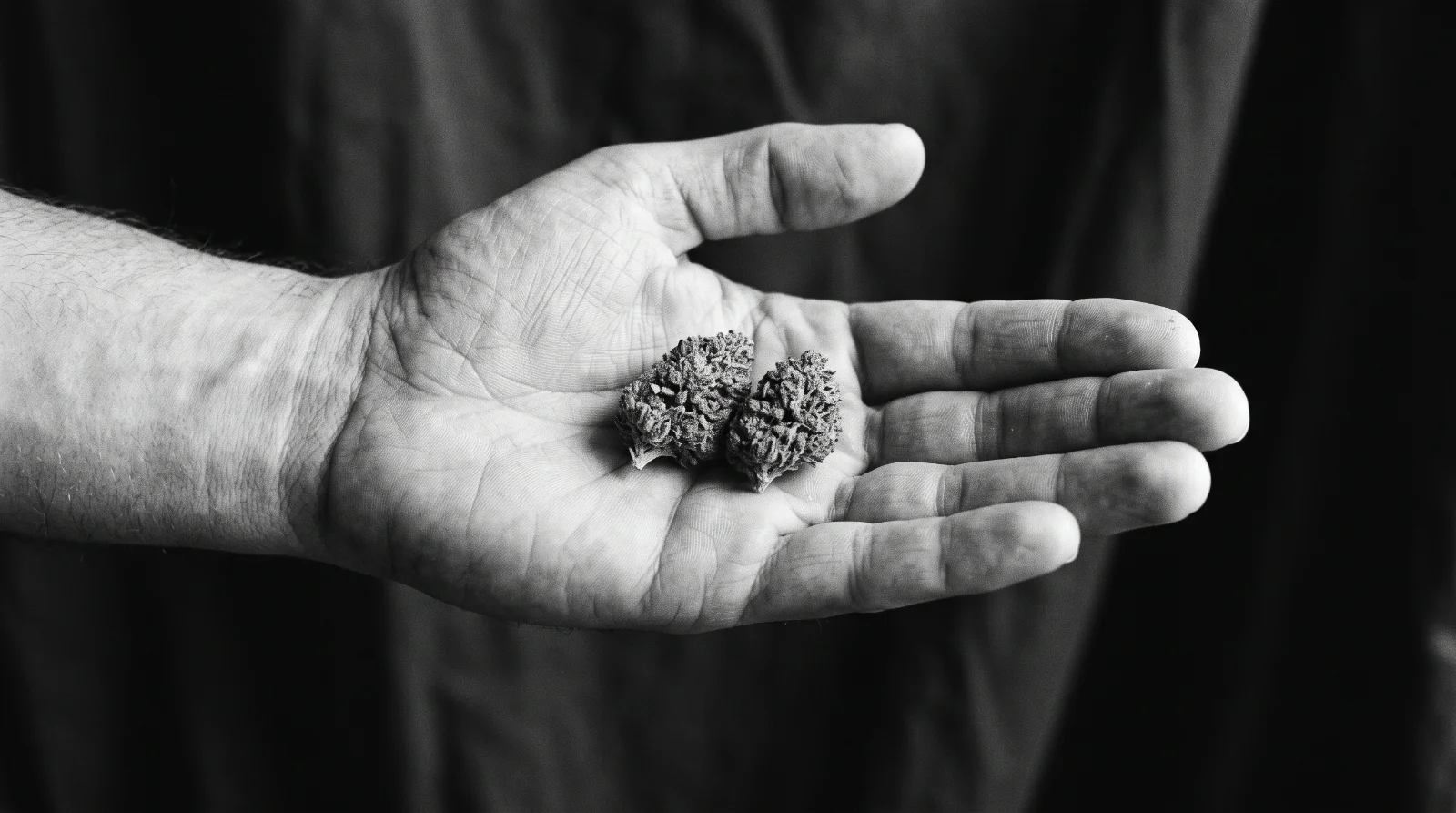
The industry around this plant mostly refuses to talk that way. It would rather promise. It would rather tell you what this will do for you, in a confident voice, to a hundred million people at once — which is the exact thing the opening warned you about, just wearing a leaf. We’re not going to do that. We can’t tell you what hemp will do for you, and anyone who does is guessing or selling. What we can tell you is the truth that’s actually useful: it will do something, that something depends on you, and the only way to know your something is to pay attention to it.
So the plant becomes a teacher before it becomes anything else. It teaches the lesson the rest of this page is built on, and it teaches it in your own body where you can’t argue with it. Pay attention and you start to notice the variables you were ignoring. The same amount lands differently when you’re already wound tight than when you’re steady. It lands differently on no sleep, on an empty stomach, in a room that’s putting you on edge. The plant is not a fixed thing delivering a fixed result. It’s one half of a contact, and you are the other half, and you are the half that moves.
The difference between the two outcomes is almost never the plant. It’s how much of yourself you were paying attention to when you reached for it.
This is also where the two edges show up most honestly. There’s the version of this that goes well — the contact that lands where you wanted it to, on a day you were ready for it. And there’s the version that doesn’t — too much, wrong moment, wrong state, and instead of going where you wanted it tips you somewhere you didn’t. Both are real. Both belong to the same plant. Neither one is the “true” hemp and the other a malfunction. They’re the two faces of a single thing meeting a person who is never quite the same twice. The difference between the two outcomes is almost never the plant. It’s how much of yourself you were paying attention to when you reached for it.
Which is the entire argument for doing this consciously instead of by habit. Reaching for something without watching what it does in you is how the loop runs you — same reach, same hour, same unexamined reason, results you never connect back to causes. Reaching for it awake is the opposite. You notice. You adjust. You learn your own instrument by playing it on purpose instead of by accident. That’s not caution for its own sake and it’s not a warning. It’s just the difference between knowing yourself and guessing.
Hemp is the first instance because it’s the most physical and the hardest to fool yourself about. But it’s only the first. The same lesson is waiting in everything else you take in — and the next place it shows up is the most ordinary one of all.
The Input You Stopped Noticing.
The plant was the obvious teacher. Food is the one you stopped noticing years ago.
You take it in more than anything else. Multiple times a day, most days, for your whole life — which makes it the single largest thing you put into the instrument, and, for most people, the least examined. Hemp you tend to reach for on purpose. Food you mostly reach for on autopilot: habit, mood, convenience, whatever’s in front of you, whatever you grew up calling normal. That’s exactly what makes it the honest test. It’s easy to be conscious about the thing you already treat as a decision. The harder work is getting conscious about the thing you’ve been doing without a thought since before you can remember.
And there is a lot here that goes unasked. Where did this come from. How was it handled before it got to you. What’s actually in it, underneath the name on the front. How was it grown, or raised, or made — with care, or just at scale. These aren’t moral questions and they’re not a purity test. They’re just real questions with real answers, and most of us go our whole lives never asking them, because the package already answered for us and we took its word.
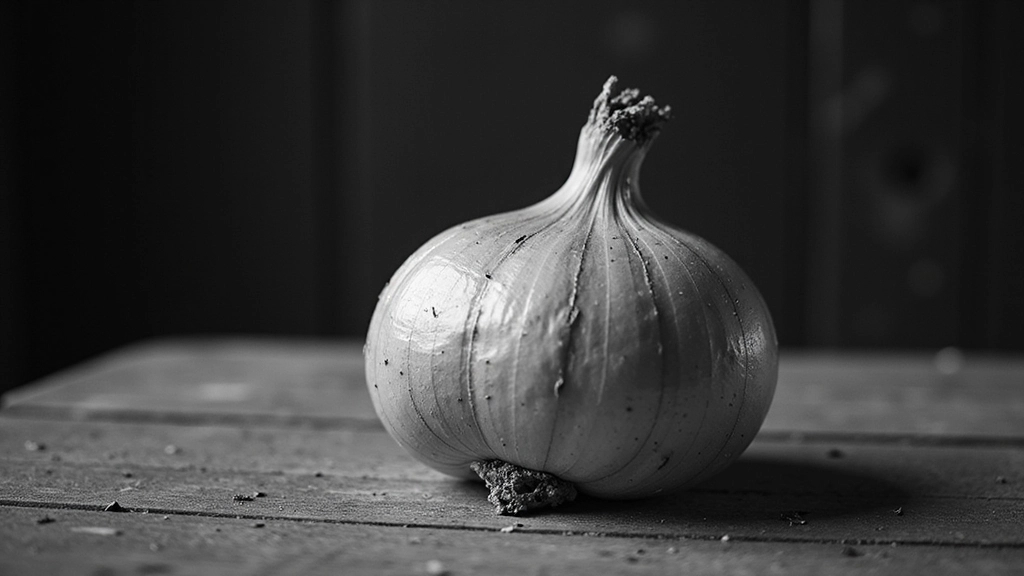
That’s the part worth sitting with: the label is a story someone chose to tell. Sometimes the story is true. Sometimes it’s true in a narrow, technical way that’s built to leave a different impression than the facts would. The words on the front are marketing before they’re information, and the same industry logic the plant section warned you about is at work in the grocery aisle too — it would rather promise you something clean and simple than tell you something complicated and real. Being conscious about food isn’t trusting your gut about it. It’s being willing to actually find out. Reality over the story on the package. That’s what consciousness rests on — not a feeling, not a vibe, but a genuine account of what’s real around you and inside you.
Here’s where this page won’t do what the others won’t do either: it’s not going to tell you what you’ll find, or hand you a list of what’s good and what’s bad. Things are not universal. What sits right in one body sits wrong in another — the same lesson the plant taught, in a slower form. And just because someone else can do a thing, thrive on it, build a whole life around it, does not mean it’s yours to copy. Their instrument is not your instrument. The answer that’s true for them is data about them, not instructions for you. You have to have the conversation with your own body — what does this actually do in me, and do I want what it does — because nobody else is standing inside your results.
Being conscious about food isn’t trusting your gut about it. It’s being willing to actually find out.
Which also means this is not about becoming pure, and it’s worth killing that idea before it takes root. Nobody eats a spotless life, and the ones who chase it usually just trade one unconscious pattern for a more anxious one. A person who chooses convenience with their eyes fully open — who knows exactly what they’re reaching for and why, and chooses it anyway — is more conscious than a person following a flawless plan they never once questioned. The work was never the menu. It was the looking. Some choices carry more than others, and you’ll come to your own conclusions about which — but you’ll come to them by paying attention, not by taking anyone’s word, this page’s included.
And when your conclusions don’t match someone else’s, that’s not a problem to solve. People land in different places, on food and on nearly everything, and a person who’s done the work of knowing themselves has no reason to look down on someone who landed somewhere else. You don’t have to agree with how anyone else eats, or lives, to accept that they get to. Consciousness isn’t a club with a dress code. It’s just you, awake, making choices you can actually stand behind — and letting everyone else do the same.
All of this becomes something. What you take in doesn’t stay in — it builds the body you carry around, and that body is either ready for the day or it isn’t. Which is the next place to look.
Built, Not Given.
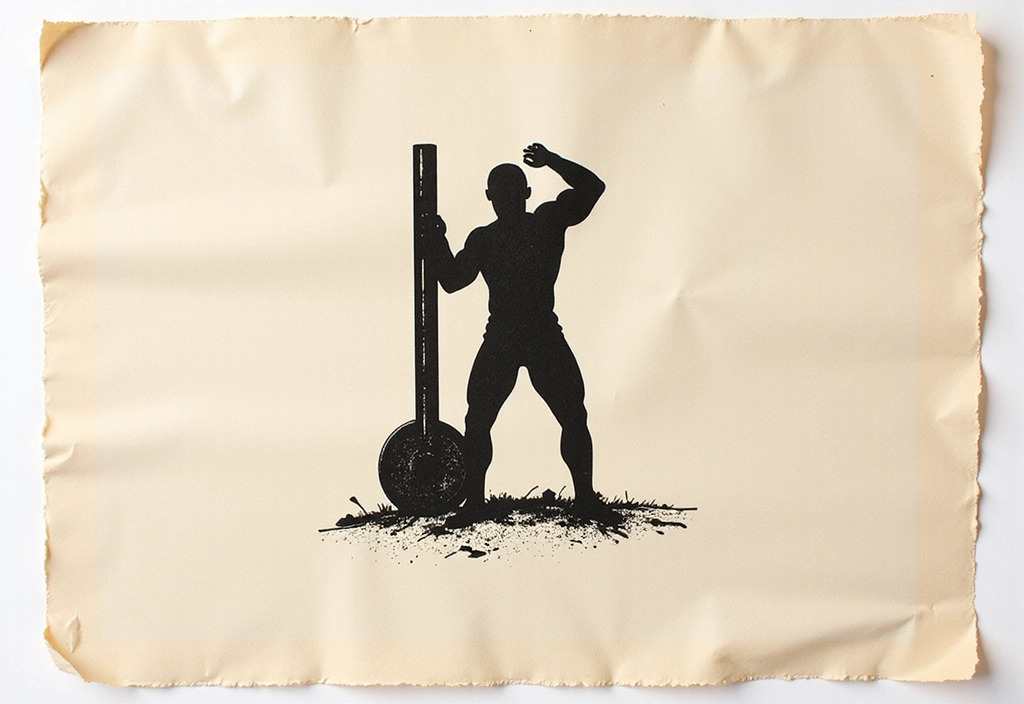
Everything you take in ends up here. Not as an idea — as a body, the one you’re carrying right now, the only one you get. Food and everything else become tissue, energy, sleep, the way you feel when you stand up in the morning. The inputs stop being inputs and start being you, physically, and that body is either ready for what the day brings or it isn’t.
Here’s the part most people skip: the body is not a thing that happens to you. It’s a thing you build, or fail to build, with what you do. And the doing matters as much as the taking-in — maybe more, because it’s the one part of this you have the most direct hand in. You don’t get to fully choose your genes or your history. You do get to choose whether you move, how you rest, and whether you pay any attention at all to the machine you live inside.
Movement is the clearest version of this. Not as punishment, not as a way to earn your worth, not as a number on a scale you’re trying to fix — this page has no interest in any of that, and the people who turn their body into a project to hate usually just find a new way to stay unconscious. Movement matters for a plainer reason: it’s work you put in, and the body gives back capacity. Strength to do things. Wind that doesn’t run out halfway up the stairs. A nervous system that can take a hit — a stressful day, a bad hour, a real problem — and not come apart. That capacity is not vanity. It’s the physical margin that lets you handle life instead of being flattened by it.
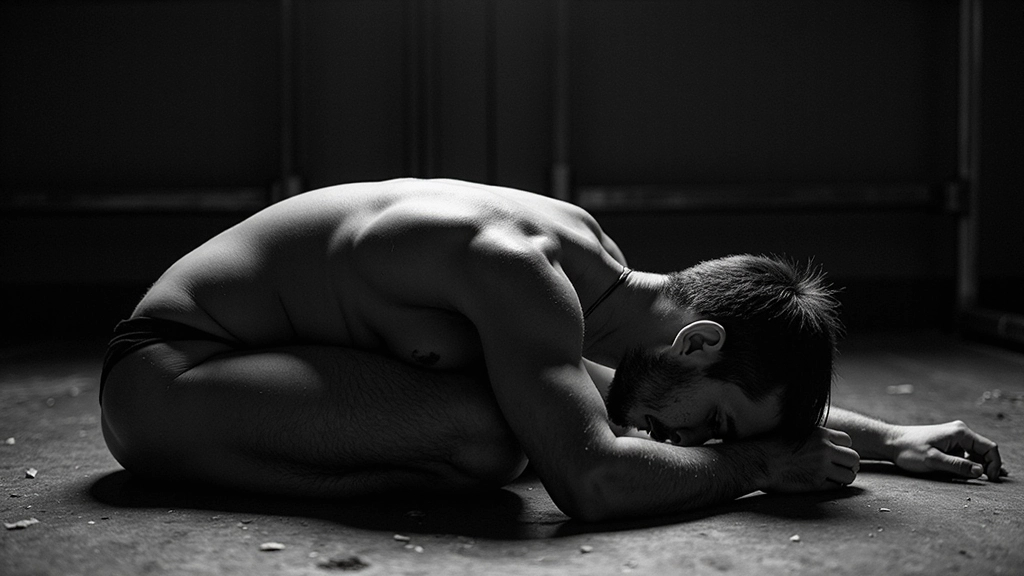
And that ties straight back to the one who’s watching. The opening said you’re the observer — the one who can see where you are and decide to move. But seeing isn’t enough if you’ve got nothing to move with. A body with no capacity can register that something’s wrong and still have no room to do anything about it. It gets thrown around by whatever lands on it, because it never built the reserve to absorb the hit and choose its own response. The work you put into the body is what turns the observer’s seeing into the observer’s moving. Capacity is what makes the choice real instead of theoretical. The world doesn’t hold still, and the body you built is either something you can shift with it or something that just gets dragged along.
There’s something else about this work that nothing else on this page can claim. Most of the time, being conscious means watching an input land on you after the fact — noticing what the food did, what the plant did, catching the reaction once it’s already moving. Physical work is different. It’s the one place the watcher and the work are the same act, happening at the same moment. When you’re actually in it — attention on the body, on the breath, on the exact thing you’re doing — there’s no gap between the observer and the observed. You’re not reviewing yourself later. You’re inside it, awake, now. That’s why the work can be the most conscious thing you do all day. It’s a kind of attention you can’t fake and can’t outsource, because the moment your mind wanders somewhere else, the quality of the work changes and your body tells you immediately.
The work you put into the body is what turns the observer’s seeing into the observer’s moving. Capacity is what makes the choice real instead of theoretical.
Which means the state you bring to it is part of the work. Not in some mystical way — just plainly: showing up scattered and going through the motions is a different act than showing up present, even if the movements look identical from outside. The body is a vessel, and what you put into it is not only food and rest but attention and intent. You can do the exact same session on two different days and have it be two different things, because you were two different people inside it. The work is never just the reps. It’s who’s home while you do them.
And rest belongs in the same conversation, because it’s the other half of the same thing and just as easy to get wrong. Too little and there’s nothing to build on — the body never gets to turn the work into capacity, and effort with no recovery is just slow damage. Too much, though, and the same rest that restores you becomes the thing that flattens you, the slack that turns into inertia you can’t climb out of. Neither end is where you live. And you don’t find the right amount by following someone else’s number — you find it the same way you find everything else on this page, by paying attention to what your own body is actually telling you it needs, which changes by the week and the season and the year.
That’s the body: built, not given. The work you put in is what turns seeing into the power to move. But the body doesn’t run itself — there’s someone at the controls, deciding in every moment whether to react or respond. And that’s the next thing to look at.
The One at the Controls.
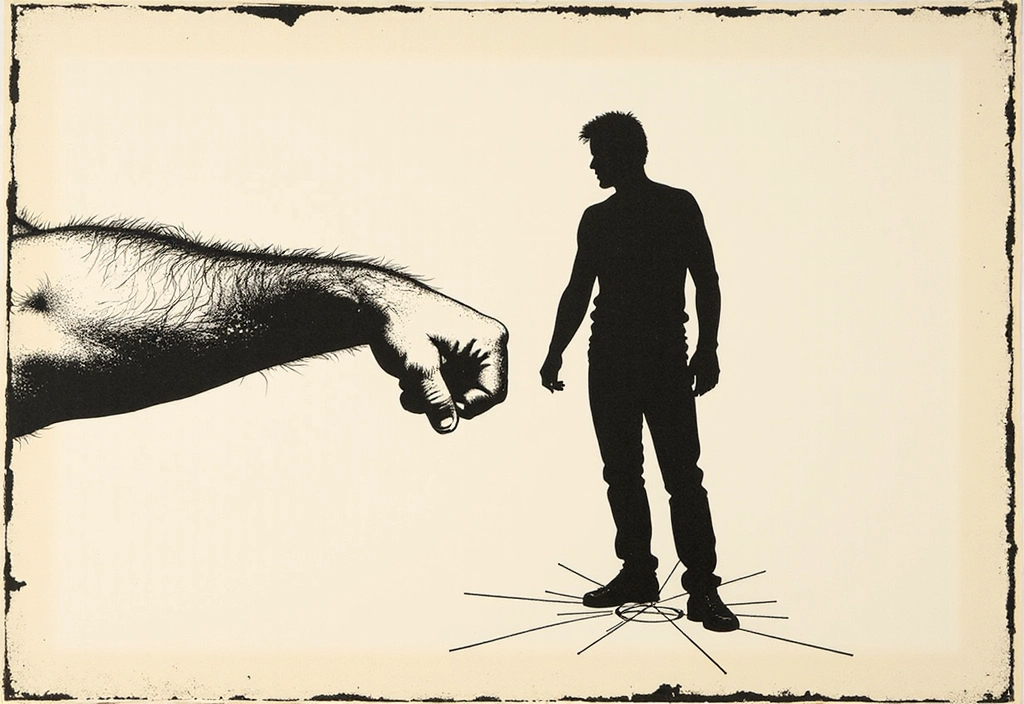
Now to the one at the controls. Everything so far has been about what runs through you — the plant, the food, the body it all builds. This is about the one deciding what to do with any of it. The thinker. The part of you that meets a moment and, in the space of a breath, either chooses something or gets chosen for.
Start with what a thought actually is, because there’s a popular lie about this. The lie says some thoughts are good and some are bad, and the work is to have more of the good ones and fewer of the bad — plant the flowers, pull the weeds, keep a tidy mind. It sounds wise. It’s the same move the whole rest of this page has warned you about: someone else’s universal label, stamped onto something that isn’t universal.
Here’s the truer version. A thought is not good or bad. It’s information, and it carries a charge. The exact same thought can protect you or trap you, and which one it does has almost nothing to do with the thought itself and everything to do with whether you’re holding it or it’s holding you.
Think about how a hard-won caution works. You got burned once — a venture, a person, a decision that went wrong — and your mind kept the lesson. That memory is real. It’s accurate. It’s not a weed to rip out; it’s earned knowledge, and a mind that scrubbed it away in the name of positivity would just get burned the same way twice. Held consciously, that caution is a guardrail. It sees the next cliff coming. But left untended — running in the background, unexamined, gripping tighter every year — that same accurate caution stops being a guardrail and becomes a wall. Now it’s not protecting you from the cliff. It’s keeping you off every road, including the ones that go somewhere. Same thought. Same true thing. One version keeps you alive; the other keeps you small. The difference was never the thought. It was whether you were watching it or it was quietly running you.
So this is where the popular advice gets it backwards. The work is not to relabel the thought or pretend the failure wasn’t a failure. Awareness doesn’t run on comfortable fictions — the whole point of the last section on food was that reality beats the story you’d rather believe, and thoughts are no different. A conscious person doesn’t soften the labels. They know exactly what things are. The failure was a failure, the risk is a risk, the fear is pointing at something real. You don’t get clearer by lying to yourself about what you’re looking at.
Between a thought and what you do about it, there is a gap. In that gap lives the only freedom you actually have.
Getting stuck is the failure, not the label. When you fix onto a name for something and let that name carry all the weight — this is dangerous, this is the one, this always happens to me — you stop seeing the actual thing in front of you and start seeing the label instead. The label is a summary, and a summary always leaves things out. The whole picture is bigger than any single word you’d stamp on it, and the moment the word runs the show, you’ve traded the picture for the word. Consciousness is holding the accurate label in one hand and the full picture in the other, and not letting the first one blot out the second.
Which brings it down to the one move this entire page has been building toward. Between a thought and what you do about it, there is a gap. Small — sometimes a fraction of a second — but real. In that gap lives the only freedom you actually have. Unconscious, the gap collapses: the thought arrives and the action fires and there was no one home to choose, just a reaction running on old wiring. Conscious, the gap stays open long enough for the one who’s watching to step in and ask a simple thing — is this charge serving me right now, or is it just loud. And then to decide. Sometimes you’ll let the reaction fly, because it’s right, because the caution is real and the cliff is really there. Sometimes you’ll hold, because the wall is old and the road actually goes somewhere. The point was never to always hold, or to always fire. Reacting isn’t the sin and restraint isn’t the virtue. The point is that you chose, instead of the label choosing for you.
And this is exactly where the body comes back in, because holding that gap open costs something. A depleted, over-strained, running-on-empty body has no room in it — the gap slams shut and you react to everything, snapping at the small stuff, run by whatever’s loudest. The capacity you built in the last section is not separate from this. It’s the physical margin that keeps the gap open long enough to choose. Composure isn’t a personality trait. It’s a resource, and you build it the same way you build anything else in the body: on purpose.
Everything up to here has faced inward — what you take in, what it builds, how you meet your own thoughts. But you don’t live in a sealed room. The moment you choose a response instead of a reaction, that choice leaves you and lands on someone else. Which is where the last stretch of this goes: outward, into the people.
You Are Somebody’s Environment.
You take people in the same way you take in everything else. That’s the part most people never think to notice. A conversation, a person’s presence in a room, the tone someone carries through the door — it lands in you and does something, and what it does depends on the same two things it always has: what they brought, and what state you were in when it reached you. People are not a separate category from the rest of this page. They’re the biggest input of all, and the one you have the least control over, because this one talks back.
Which is exactly why the easy advice about people is so wrong. You’ve heard it: surround yourself with good people, cut out the toxic ones, curate your circle like a feed. It sounds like wisdom and it’s the same lie the thoughts section already took apart, just pointed at humans instead of ideas. It asks you to stamp a permanent label on a person — good, toxic, keep, cut — and then live by the label instead of the person. But a person is not a fixed charge any more than a thought is. The same human being can be steadying to you in one season and corrosive in another. The friend who’s exactly what you need at twenty can be the anchor you can’t grow past at thirty, and neither of those is the “real” them — they’re the same person, met in a different octave, by a different you.
So the work here is not sorting people into piles. It’s seeing clearly what a given relationship actually is — right now, honestly, without the story you’d prefer. Some people bring out a version of you that you respect. Some bring out one you don’t. Some did once and don’t anymore. That’s not a moral ranking of their souls; it’s an accurate reading of a specific contact between two specific instruments, and it can change, and you have to keep looking instead of resting on the label you assigned years ago. Seeing a relationship for what it is doesn’t mean condemning anyone. It means you stop pretending, which is the only ground real choices get made on.
And this is where the acceptance runs deeper than it did with food. Back there it was easy — you don’t have to eat like someone to let them eat how they want. People are harder, because people push on you, disagree with you, live by things you’d never choose. The conscious position isn’t to only keep people who match you. That’s just a hall of mirrors, and you don’t grow in a hall of mirrors. You can hold someone as fully worthy of respect, let them be exactly who they are, disagree with them all the way down — and still choose how close you stand. Acceptance is not the same as access. You can honor a person’s right to their own life without handing them a seat at the center of yours. Those two things were never in conflict; only the unconscious version thinks they are.
There’s a harder direction to this too, and the page would be lying by omission to skip it: you are an input to everyone else. Every one of these people is running the same math on you that you’re running on them. The response you chose in the last section instead of the reaction — that landed on somebody. The state you carry, the charge you bring through the door, becomes part of the state they’re in when the next thing reaches them. You are somebody’s environment. Which means knowing yourself was never a private project. The work you do or skip on yourself doesn’t stay in you. It walks out into every room you enter and touches everyone there, whether you meant it to or not.
Acceptance is not the same as access. You can honor a person’s right to their own life without handing them a seat at the center of yours.
And once you see that, you see the whole thing start to close. The people you choose to stand near shape the rooms you spend your life in. Those rooms are the air you breathe every day — the conversations, the moods, the ambient charge of the place. And that air is the next thing you take in. The environment you built by how you met people becomes the input that shapes the next version of you, who builds the next environment, and on it goes. You didn’t step outside the loop by turning outward. You closed it.
The Whole Job.
So here’s where it leaves you.
Nobody is coming to do this for you. That’s not a hard truth dressed up to sound inspiring — it’s just the fact the whole page has been walking toward. There is no plan, no authority, no confident voice with a large audience that can stand inside your body and tell you what the plant does in you, what the food does, which thoughts are running you, which people you’ve outgrown. They can’t feel your results. They were never going to be able to. The work of knowing yourself is non-transferable, and every promise that says otherwise is selling you the one thing that can’t be sold.
Which means the weight is yours. All of it. What you take in, you chose or let happen. The body you’re carrying, you built or neglected. The reactions that run your day, you either watched or you didn’t. The rooms you live in, you walked into and stayed. It would be easier if some of that belonged to someone else — a bad influence, a bad break, a system, a person who did this to you. Some of it might. But the part that’s yours is the only part you can do anything about, and pretending it’s smaller than it is has never once made a person freer. It just hands the controls to someone who isn’t watching.
And you might have noticed by now that this was never really six subjects. The plant, the food, the body, the thoughts, the people — they were one thing said six ways. Same lesson, different register. It’s the same handful of notes played up and down the range, sharp here, flat there, the whole scale run through in different rooms — but it was always the same music, and you were always the one playing it. There is no separate department of your life where consciousness doesn’t apply. There’s just the one instrument, and how awake you are while you play it.
That’s the part that turns. Because if it’s all on you — really all of it, no rescue, no outside hand — then it’s also all yours. The same fact that lands as a weight is the only thing that was ever freedom. You are the one variable in your entire life that can watch the whole thing and decide to move. Not the food, not the mood, not the people, not the past. You. The one who’s been reading this, watching yourself read it. That watcher doesn’t get taken from you and doesn’t get handed to you. It was already there. It’s the only thing that was ever fully yours.
You are the one variable in your entire life that can watch the whole thing and decide to move.
So know yourself. Not as a slogan — as the actual, daily, unfinished work of paying attention to what’s real in you and around you, and choosing, on purpose, again and again. The world won’t hold still for it. It was never going to. But you can be awake inside it, and that changes everything about how it feels to be carried by something you finally had a hand in steering.
That’s the whole job. It always was.